381Views
When a driver is charged with a DUI in Georgia, among the most practical things on his mind is not only what the legal ramifications will be for him, but how he can still get from point A to point B while complying with the court’s conditions. Ignition interlock devices have played a major role in that, and provide a means to regain some driving privileges for many who have been through a DUI case.
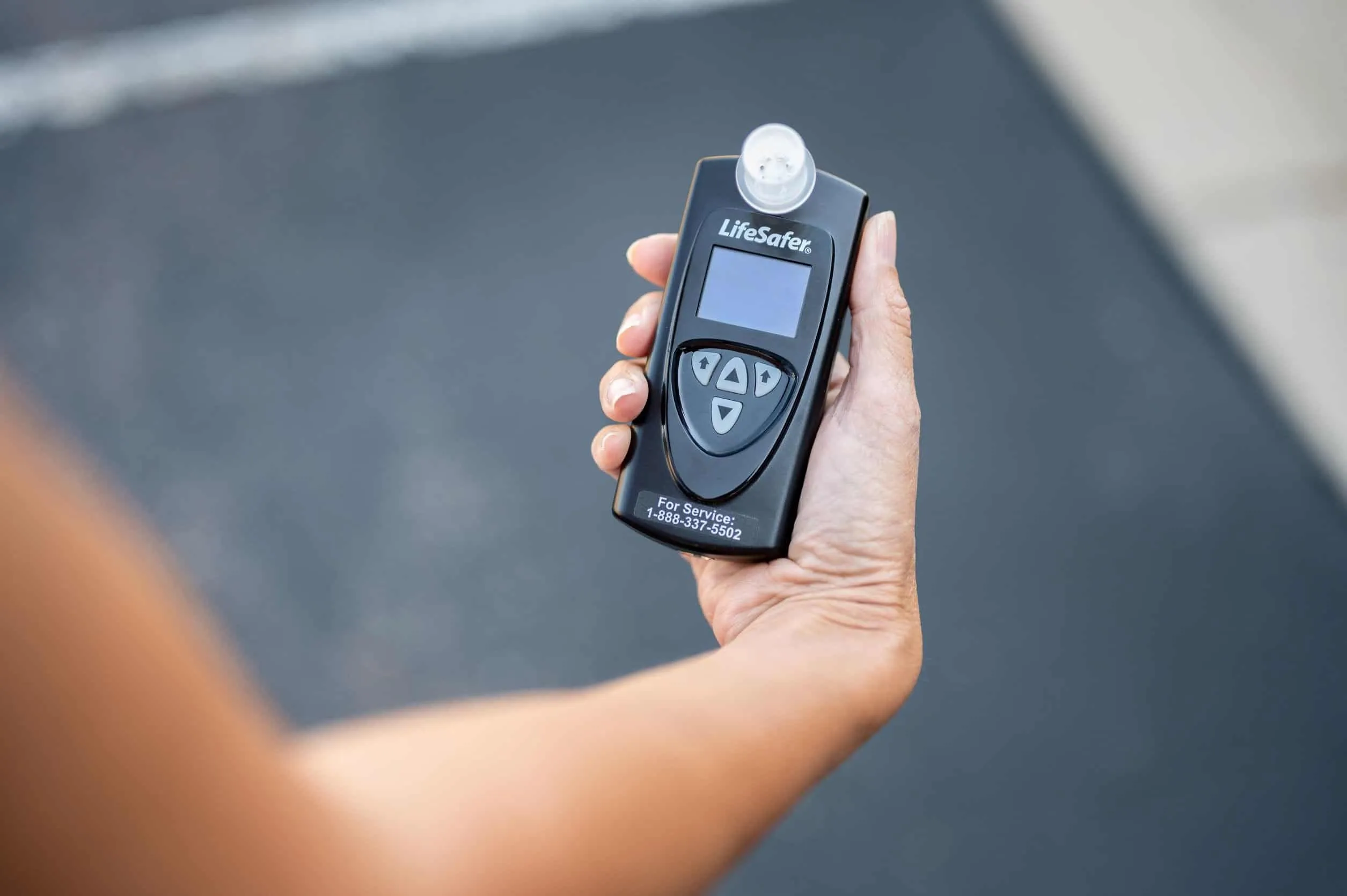
An ignition interlock device is a breath test machine that is mounted in the ignition system in a vehicle. The driver will have to make a breath sample before the car starts – and if the breath sample is above a set level, the car will not start. In addition, many devices take periodic breath samples from the driver while driving, a process called “rolling retest,” to ensure that the driver keeps his/her breath free of alcohol throughout the trip. When a rolling retest is not passed or is ignored, the device usually records the failure and will alert the driver, but not to shut down the vehicle while it is moving unless it is deemed unsafe.
The ignition interlock device limited driving permit is the most common type of ignition interlock requirement in Georgia, and was made more available after changes to the State law. This permit is for drivers who have been suspended from driving for a period of time who would not otherwise be able to drive if they had an interlock device and who are eligible to use the device. This choice may be especially beneficial for individuals who have to go to work, school, or medical appointments during a time of license suspension.
This kind of permit is only available for a first-time DUI and other conditions may apply, such as what caused the arrest, and if the driver meets administrative timelines after the arrest. Drivers often have to install the device on a driver-owned vehicle, at their own cost, and must keep driving the vehicle for a designated amount of time, and report and re-test at regular intervals. Failure to attend a required calibration appointment or to maintain the device properly can lead to problems that will likely make it more difficult for a driver to retain their limited driving privileges.
An ignition interlock device penalty is typically not imposed as part of any other penalties the person receives for the DUI arrest or prosecution, but it is related. The administrative suspension of a driving privilege process through the Department of Driver Services is independent of the process for any interlock requirement that is a part of a criminal court sentence, depending on how the case is resolved in court. Part of the reason why many people find the overall system confusing is because of this overlap between the administrative and criminal processes, and it’s a reason why many people also seek the help of an Atlanta DUI Lawyer to help them figure out which requirements apply to their specific situation and when.
An interlock device must be installed and maintained at the driver’s expense, and this can involve cost of installation, monitoring cost and removal fees when the required period is completed. While in many situations, an interlock permit may be the most practical choice, costs can add up over time, and it is important to be aware of the financial implications before assuming it is always the best option.
For those who do qualify, successfully passing the required interlock period, along with any other court-mandated requirements, often is a prerequisite to the restoration of full driving privileges. This typically includes the presentation of the proof of compliance to the Department of Driver Services and in some cases, a hearing or paperwork to finalize the compliance. If any steps are missed in this last step, a complete license may not be restored for an extended period, even after the interlock has ended.
As a ex-DUI and drug prosecutor for the City of Atlanta and having been trained at the Georgia Police Academy, James Yeargan, commonly referred to as “DUI Jim,” has had a unique perspective in these administrative processes. The breadth of prosecutorial experience and technical certifications demonstrates the ability to have a deep understanding of the issues that can be helpful when working through the interlock permit process and the compliance requirements.
Ignition interlock deadlines, cost and compliance issues are intertwined, making it valuable for drivers placed in this situation to have a roadmap early on. Contacting an Atlanta DUI Attorney as soon as after a DUI arrest can help clarify whether or not an interlock permit is a realistic alternative for a DUI offender, as well as how to successfully keep the permit for the time required.