14Views
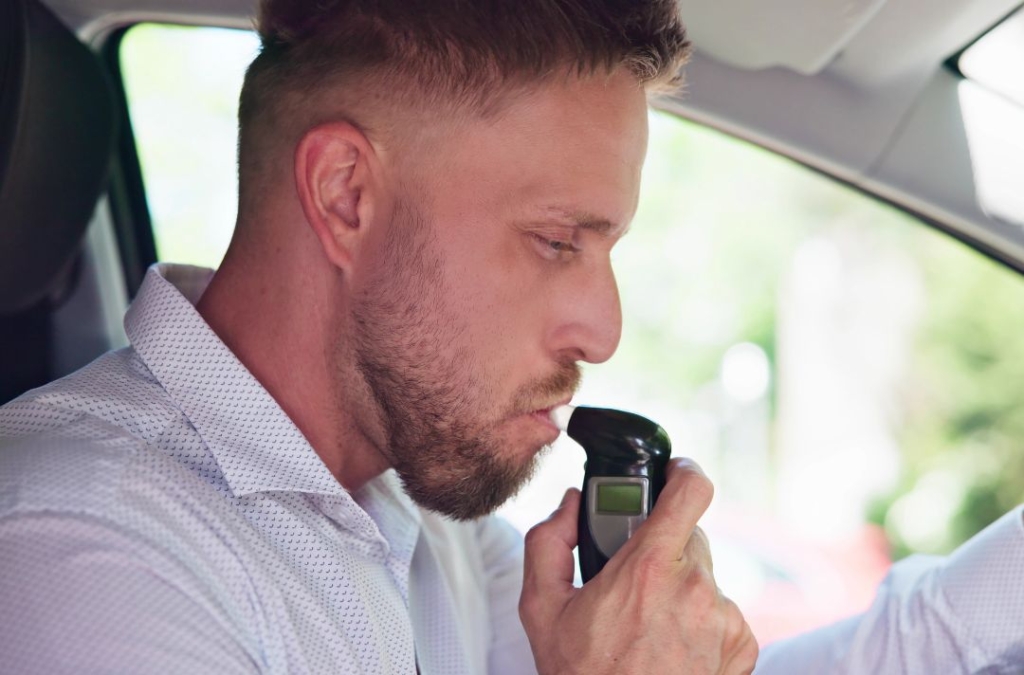
The breath test is the centerpiece of most Georgia DUI prosecutions. A driver blows into a machine, a number appears, and that number often decides whether the State charges a per se DUI and how the case is negotiated. The machine used in Georgia is the Intoxilyzer 9000, and most drivers know nothing about it. Understanding how it works, and where it can go wrong, is important for anyone facing a DUI charge, because the machine’s result is evidence, not a verdict, and it can be challenged.
How the Intoxilyzer 9000 Measures Alcohol
The Intoxilyzer 9000 measures alcohol in a person’s breath and uses that measurement to estimate the alcohol concentration in the blood. The science behind it relies on the fact that alcohol in the bloodstream passes into the lungs and is exhaled in the breath. The machine uses infrared light to detect alcohol molecules in the breath sample: alcohol absorbs infrared light at specific wavelengths, and the amount of light absorbed corresponds to the amount of alcohol present. The machine then applies a conversion ratio, generally 2,100 to 1, to estimate the blood alcohol concentration from the breath reading. That ratio is an average, and individual bodies can differ from it.
The 20-Minute Observation Period and Mouth Alcohol
Before a test, the officer is supposed to observe the driver for a waiting period, usually about twenty minutes, to make sure the driver does not eat, drink, smoke, vomit, or burp. The reason is mouth alcohol: alcohol remaining in the mouth or throat, from a recent drink or from regurgitated stomach contents, can inflate the reading far above the driver’s true blood alcohol level. A burp during the waiting period can bring alcohol vapor up from the stomach and contaminate the sample. If the officer does not watch the driver carefully, or does not restart the waiting period after an interruption, the result can be unreliable.
Maintenance and Calibration
The machine itself must be maintained and calibrated. Georgia requires regular inspections and calibration checks, and each test is supposed to include internal checks, such as a blank test with room air and a check using a simulator solution with a known alcohol concentration. If the calibration check falls outside the acceptable range, the machine should not be used until it is fixed. Maintenance logs, calibration records, and the history of a particular machine can all matter in a DUI case. A machine that was overdue for inspection, or that had a recent repair, raises questions that a defense can pursue.
Operator Error
Operator error is another source of problems. The officer administering the test must be trained and certified on the Intoxilyzer 9000, must follow the required steps, and must make sure the driver provides a proper breath sample. A weak or short breath sample can produce an error message or a deficient sample reading, and some drivers with asthma or other breathing conditions have difficulty providing a sufficient sample. The test requires two breath samples that agree with each other within a certain range; if they do not, the result may be flagged. What the officer does when a test produces an error or an odd result can matter a great deal.
Sources of Interference
There are also known sources of interference. Certain medical conditions, including diabetes and acid reflux, can affect breath readings. Acetone, which the body produces in some diabetic states, can be detected by the machine and mistaken for alcohol. Dental work, dentures, and mouth piercings can trap alcohol in the mouth and affect the reading. Radio frequency interference from nearby electronic devices has been a concern with breath testing machines generally, and the Intoxilyzer 9000 has shielding designed to reduce that risk, but the environment where the test is given is still worth examining.
When the Machine Gets It Right — and When It Doesn’t
None of this means the Intoxilyzer 9000 is an unreliable machine in every case. When it is properly maintained, correctly calibrated, and operated by a trained officer on a driver who provides a good sample, it generally produces a result that courts accept. But “generally” is doing a lot of work in that sentence. A DUI Lawyer Atlanta drivers rely on will usually request the maintenance logs, the calibration records, the test printout, and the officer’s training records, because any one of those documents can reveal a problem that changes the case. The printout itself can show whether the required checks were run, whether the two samples agreed, and whether any error messages appeared.
Challenging a Breath Test Result
Challenging a breath test result often involves a pretrial motion, in which the defense asks the court to exclude the result or limit how it can be used. Judges consider whether the State followed the required procedures and whether the machine was in proper working order. Even when a breath result is admitted, the defense can present evidence about its limitations to the jury, and a jury is allowed to weigh the number against everything else in the case. A low reading, a high reading, and a reading that conflicts with video evidence can all tell different stories.
The practical point is that a breath test number is the beginning of the analysis, not the end of it. The machine, the operator, the driver’s condition, and the circumstances of the test all matter. Drivers who are arrested after a breath test should preserve the paperwork they receive, note anything unusual about the test, and get advice before assuming the number decides the case. An Atlanta DUI Lawyer can review the test records and determine whether the result is as solid as the State claims, or whether it has weaknesses worth raising.
If your case turns on an Intoxilyzer 9000 result, the details of that test deserve a close look. Machines can be wrong, procedures can be skipped, and records can reveal both. A careful review is often the difference between accepting the number and challenging it. An Atlanta DUI Attorney can request the maintenance and calibration records, and a DUI Attorney Atlanta courts see often will know which documents matter most.