252Views
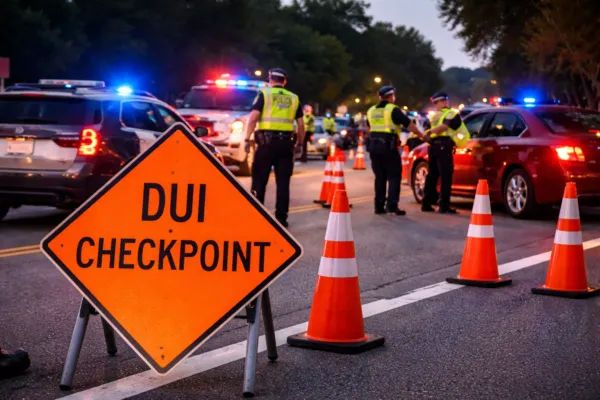
When faced with a police roadblock at the end of the night, that moment can be when any motorist gets a sudden surge of anxiety, even though the motorist may not have consumed a single drop of alcohol. These checkpoints are often used by law enforcement agencies on holidays, weekends, and other high traffic events in the guise of safeguarding the population. A lot of motorists believe that since they are being checked at a police check point, they have no rights and all they can do is to give in to whatever an officer requests. This is a harmful misguided belief that causes self incrimination and unnecessary arrests. It is important to understand precisely what the law expects you to do on these stops and consulting with an experienced Atlanta DUI Lawyer may help demystify the limits of law enforcement power.
Once you arrive at a check point, the officers have a legal right to request your drivers license, vehicle registration, and insurance. The Georgia law mandates you to submit the following documents. This is where your compulsory cooperation basically comes to an end, however. The officers will attempt to talk to you casually and will be asking you where you are going and where you have been, and whether you have had anything to drink this evening. These probing questions are not a legal requirement that you must answer. It is your constitutional right to decline to answer questions about your evening politely, and an experienced DUI Attorney Atlanta will tell you that the best defense in most cases against an officer seeking probable cause is to say nothing.
Should a police officer believe that you are drinking due to odor or appearance of your eyes, he/she will without a doubt request you to park your vehicle in a secondary search area. There they will request you to leave the car and take standard field sobriety tests or blow on a handheld portable breathalyser. It is of essence to realize that such roadside assessments are entirely voluntary. You need not give them at all. Although the police might become impatient or even seek to bully you into submission, you cannot be directly charged to submit to such voluntary roadside gymnastics. In working with Atlanta DUI Attorney James Yeargan of Yeargan and KERT LLC, you get to know that by declining such subjective tests, you are denying the prosecution the wobbly evidence that they are used to using to build a case against you.
Another aspect to note is that law enforcement has to follow very strict constitutional provisions in establishing and conducting a roadblock. The checkpoint should be used to achieve a legitimate principal purpose, and the location and timing on how to set up the checkpoint should be determined by the supervisory staff rather than officers on the field. Moreover, cars should be pulled up based on an agreed formula, like every car or every third car, to avoid discrimination and random profiling. An expert DUI Lawyer Atlanta is aware of the ability to put a lot of scrutiny on the administrative documentation and procedural method of a checkpoint. When the police did not abide by these constitutional requirements, any evidence obtained in the course of the stop such as an ensuing arrest can be questioned and may be excluded in court.
The pressure of a roadblock will soon render you oblivious to your rights and you make a decision that will undermine your legal status. The last thing you want to do is to confess that you are drinking or trying to drive through the field of subjective roadside tests in order to establish that you are not intoxicated. When you are arrested after a checkpoint stop, then you have to develop a strong defense plan as your priority. Roadblocks are a key tool in law enforcement, with all the intimidation that they entail, and these arrests are frequently not legally sound. Hiring an aggressive defense team instantly means that all the details of the checkpoint and your traffic stop will be investigated to the fullest, which will secure you the most decent opportunity to win the case and avoid damages to your driving record.