347Views
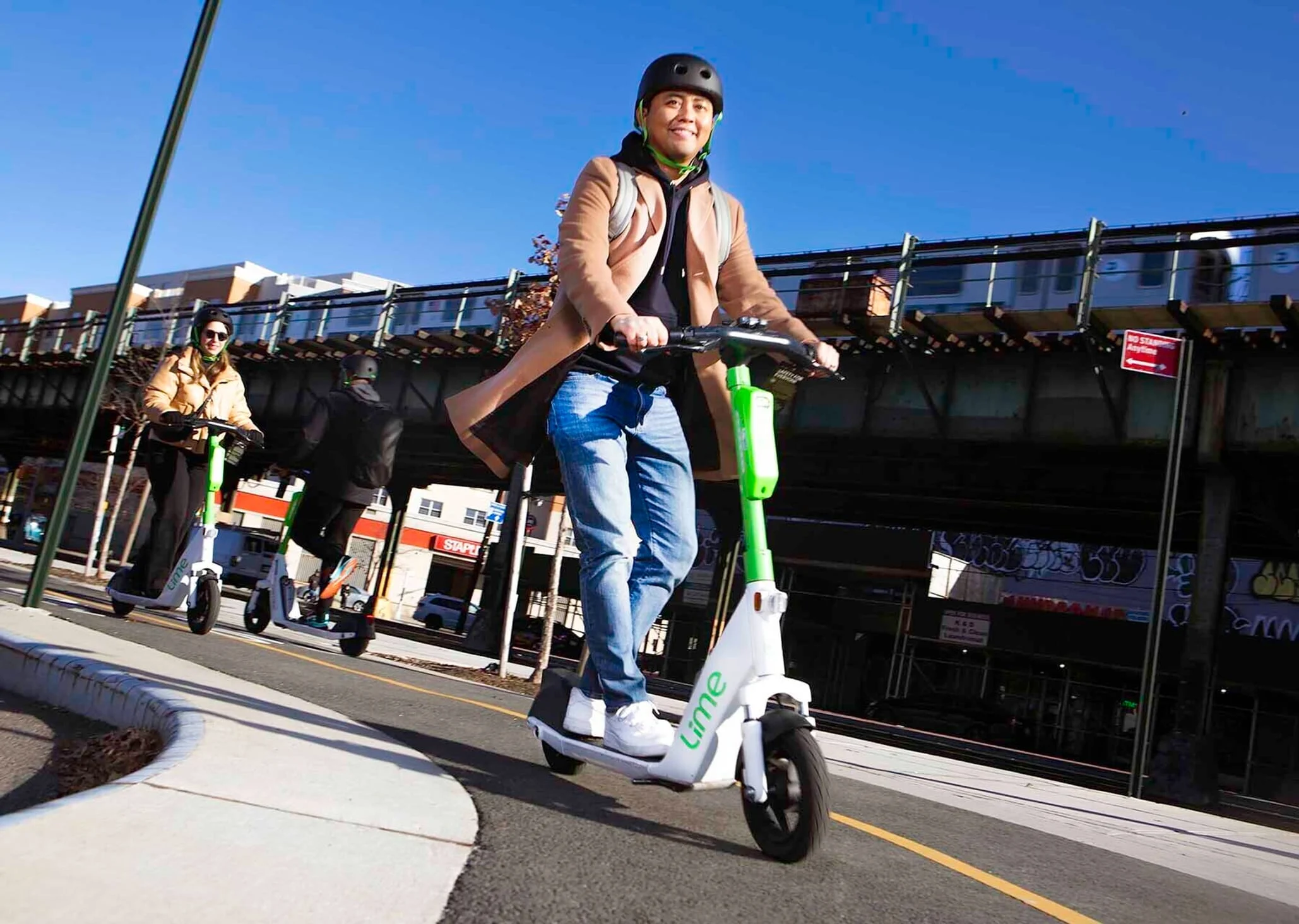
In recent years the streets of Atlanta have become a patchwork of electric scooters, pedal‑assisted bicycles, and golf carts sprouting up in Midtown, along the BeltLine, on university campuses, and in gated golf communities. For many residents the convenience of hopping from one point to another on a wheeled device is clear. But the question—especially for the night‑time rider or the post‑drinks neighborhood cruiser—is whether operating a non‑traditional vehicle under the influence can land you on the same criminal docket as a drunk driver on a sedan.
Below we break down Georgia’s legal framework, highlight real‑world scenarios, discuss the practical risks, and show how an experienced Atlanta DUI attorney—such as the firm James Yeargan—can help you navigate or fight these unusual charges. If you’re reading this from the Milton area, remember that you can consult a Milton DUI Attorney for localized guidance.
1. Georgia Law’s Definition of a “Vehicle”
Georgia’s statutes are clear that a vehicle is any “vehicle, or any device designed to move on or off a roadway.” (O.C.G.A. § 40-4-2) This broad language intentionally covers conventional cars, motorcycles, and even bicycles. However, the language has been under scrutiny when applied to e‑bikes, electric scooters, and golf carts—especially when the rider is under the influence.
1.1. “Vehicle” in the Context of DUI
The DUI statute (O.C.G.A. § 40-4-1) prohibits the operation of any “vehicle” while intoxicated. A vehicle is defined as any “means of transportation that is used or intended for use upon a road.” Thus, the law directly extends to e‑bikes, scooters, and golf carts if they are operating on a roadway or a path that is considered a public thoroughfare.
Key Takeaway: If the device is being used on a public street, sidewalk, or public path, the same DUI prohibition can apply. If it is used only on a private property (such as the inside of a golf course, where the property owner has control), the situation becomes murkier.
2. Common Situations that Trigger DUI Investigations
2.1. Electric Scooters on the BeltLine
The BeltLine has become a national hub for scooter sharing. Riders often start a ride after a night out and may inadvertently exceed the legal blood‑alcohol content (BAC) limit. Because the BeltLine uses streets and park pathways that connect to city streets, police treat scooters as vehicles in the same way they would treat a car.
2.2. College Students on E‑Bikes
University campuses usually have a mix of campus lanes, sidewalks, and occasionally access to public roads. A student who arrives home on an e‑bike after a party may be stopped for violating the 0.08 BAC limit. If the bike is operating on a street or a road adjacent to the campus, the rider can be charged with a DUI.
2.3. Neighborhood Golf Carts After a Few Drinks
Golf cart usage is common in masters’ communities and gated neighborhoods. Many cart tracks are on private driveways or golf course roads. Yet, if a cart is taken off the course onto public roads, or if the cart is used on a street within a community that is open to the public, the motion can be treated as a vehicle operation under the law. Even if the cart remains on a private track, officers can still charge the operator with disorderly conduct or public intoxication—under the pretext that the cart is a “vehicle.”
3. Why the Law Is a Gray Area
3.1. Differences Between Public and Private Property
- Private roads: If a golf cart is confined to a private gate‑controlled road, the operator may argue “no public roadway” was involved. But the court can still consider the cart a vehicle if it is capable of moving on public roads.
- Public paths: Scooters on the BeltLine are on public property, making them subject to the same DUI statutes as cars.
3.2. City Ordinances
Atlanta has enacted ordinances that restrict e‑bike and scooter usage on certain sidewalks and paths. Violating a local ordinance can lead to fines, and if the rider is also intoxicated, the offense can be elevated to a DUI.
3.3. Disorderly Conduct & Public Intoxication
Even if the DUI statute is not applied, an intoxicated rider can be arrested for disorderly conduct (if they are a public nuisance) or public intoxication (if they are visibly drunk in a public setting). These charges carry their own penalties and can be used to build a case for a DUI.
4. Practical Risks of Getting Arrested
| Risk | Potential Penalties | Long‑Term Consequences |
|---|---|---|
| DUI Charge | Up to 20 days in jail, hefty fines, mandatory alcohol education | License suspension, increased insurance rates |
| Disorderly Conduct | Fines, possible jail time | Similar to DUI penalties |
| Public Intoxication | Fines, possible short jail stint | Minor impact on record, but can lead to DUI if other evidence exists |
4.1. How Officers Determine the Charge
At the scene, officers will assess:
- The rider’s BAC through breathalyzer or blood test.
- The speed and behavior of the vehicle.
- The environment (public street vs. private path).
Even a minimal amount of alcohol can trigger a DUI if the rider is on a public road.
5. Safer Choices & Practical Guidance
5.1. Know the Rules in Your Area
- Check local ordinances: Some neighborhoods ban e‑bikes on certain paths after 10 pm.
- Stick to private roads: If you’re on a golf course or private driveway, stay within those limits.
5.2. Use “Better Than Driving” Only When It’s Truly Safer
- Public transport: If you’re a student, use campus shuttles.
- Rideshare: Tapping an app for a taxi or Uber can be a safe alternative.
- Designated driver or sober friend.
5.3. Avoid the “Just a Little” Alcohol
Even a light drink can push you over the 0.08 line, especially if you’re operating a vehicle. Consider keeping a personal BAC monitor or simply abstain if you know you’ll be moving.
6. How an Atlanta DUI Attorney Can Help
6.1. The James Yeargan Advantage
James Yeargan’s firm specializes in DUI defense with a focus on unusual vehicle charges. Their experience includes:
- Challenging the application of the DUI statute to non‑traditional vehicles.
- Negotiating reduced charges or dismissals with local courts.
- Mitigating the impact on driving records and insurance.
6.2. Defense Strategy
- Vehicle Classification: Argue that the device was used on a private path, not a public roadway. Provide evidence such as GPS logs, witness statements, or property access logs.
- BAC Investigation: Question the accuracy of the breathalyzer or blood test. Request chain‑of‑custody review.
- Procedural Missteps: Highlight any violations of your rights—improper arrest, lack of probable cause, or failure to inform you of your rights.
- Talk to the Officer: Sometimes a short conversation can turn a DUI claim into a lesser charge.
6.3. Mitigation and Alternatives
- Proposed Plea Bargains: If the case is strong, the defense can push for reduced penalties.
- Community Service or Alcohol Education: Courts often accept these as alternatives to jail time.
- Record Expungement: After completing the penalty, a lawyer can help purge the conviction to minimize future insurance impact.
7. What to Do if You’re Arrested
- Cooperate, but Stay Silent: You don’t have to admit guilt; you can request to speak with a lawyer before answering any questions.
- Ask for the Officer’s ID: Keep a record of who you spoke with.
- Request a Breathalyzer Test: See if the device was calibrated correctly.
- Call James Yeargan or a Local DUI Attorney: A prompt consultation can make the difference between a DUI and a lesser charge.
8. The Bottom Line
The rise of scooters, e‑bikes, and golf carts in Atlanta does not exempt riders from the state’s DUI laws. Whether you’re scooting along the BeltLine, riding an e‑bike home from campus, or navigating a golf cart lane after a few drinks, the law can treat you just like a car driver under the influence. The gray area is real, but it can be clarified—and potentially mitigated—through the right legal representation.
If you find yourself in a situation where a city officer has detained you for operating a non‑traditional vehicle while intoxicated, don’t overlook the importance of a specialized DUI defense. James Yeargan’s firm offers focused expertise on such cases, ensuring that your rights are protected and that the penalties you face are minimized. For residents in the Milton area, a Milton DUI Attorney can provide tailored advice that takes into account local ordinances and court precedents.
Remember: Prevention Is the Best Defense
- Plan ahead: If you will be drinking, decide on a safe transportation method before you start.
- Stay informed: Know the rules that apply to the paths you’ll use.
- Keep your BAC low: Even a single drink can tip the scales if you’re operating a moving vehicle.
When the legal system meets the new era of personal mobility, the line between “fun ride” and “legal risk” can blur. But with careful planning and the right legal support—such as from James Yeargan—you can navigate those gray areas confidently.