402Views

Defense against DUI charges requires extensive knowledge of Georgia’s stringent DUI laws and time-sensitive court processes, as well as using scientific evidence for successful defense strategies. Experienced Atlanta DUI lawyers must possess these abilities as part of an effective defense.
An experienced attorney can examine breath test data closely in search of procedural errors or equipment malfunctions that might cast doubt upon a defendant’s BAC readings.
Expert Witness Testimony
Witnesses for DUI cases can come in all shapes and sizes. From police officers who conducted traffic stops, passengers in your vehicle, medical professionals administering breath or blood tests taken, expert witnesses with no prior knowledge of your case but vast expertise about their topic will all give evidence in court proceedings.
Expert witnesses can be invaluable allies when it comes to DUI defense. Their role can include translating complex scientific data for layperson comprehension. Furthermore, expert witnesses are an integral component of challenging evidence against you in court proceedings.
Experienced Atlanta DUI lawyers understand how best to guide expert witnesses through their testimony without being derailed by objections from the prosecution, anticipating what the expert is likely to say and crafting questions which will highlight their side of the story in the best light possible.
At The Law Offices of Rick Ryczek, we have access to an impressive roster of expert witnesses for testimony and consultation purposes. They range from university professors and former DUI Task Force police officers, all trained in drug recognition. Furthermore, many have NHTSA instructor credentials, meaning they can train police officers on how to administer standard field sobriety evaluations.
Blood Tests
Blood test results play a critical role in DUI court proceedings in Georgia. Prosecution uses these test results as evidence against drivers suspected of impairment by alcohol or drugs, so it’s vital for your Atlanta DUI lawyer to know how these tests function and how best to challenge them.
Example: the accidental introduction of isopropyl alcohol into a blood sample could greatly exaggerate its blood alcohol concentration (BAC). Isopropyl alcohol is often used for sterilizing skin prior to drawing blood and can get into your syringe along with it, creating an impactful error which could drastically change your case outcome.
Your attorney can also challenge blood tests by investigating their chain of custody. This involves looking at how samples were collected, stored, refrigerated and tracked in order to raise doubt about whether or not they were handled appropriately and correctly. The goal here is to raise reasonable doubt about their accuracy as well as any improper handling.
Your Atlanta DUI lawyer may hire experts to challenge the accuracy of test results. This might include former law enforcement officers experienced with field sobriety testing and crime lab operations, or toxicologists with knowledge about how medications might impact BAC levels. They could also request independent blood and urine tests from hospitals or physicians of your choice – this can help uncover mistakes made in state testing programs and ensure you’re not charged with DUI based on false evidence.
Breath Tests
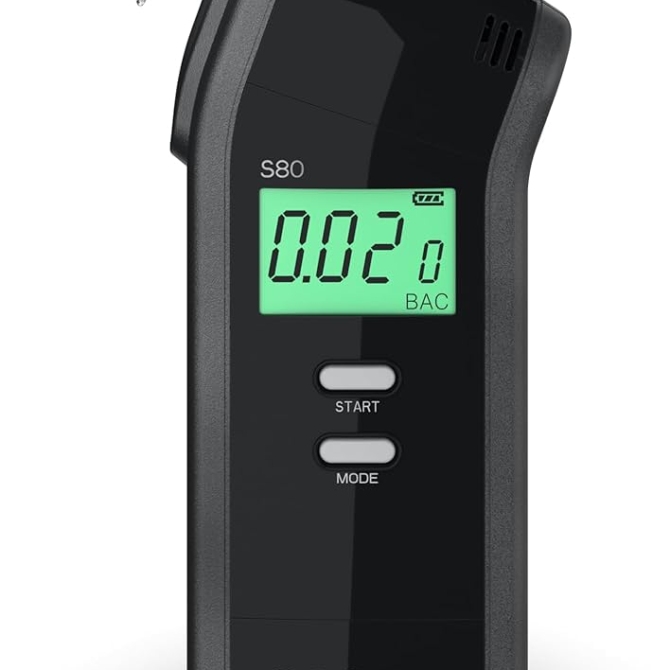
Georgia uses an Intoxilyzer 5000 machine to measure an individual’s blood alcohol content (BAC), providing strong evidence against DUI charges. However, this device can be challenged in court with help from an experienced Atlanta DUI attorney.
Biochemical variations between test takers, use of mouthwash or cough syrup prior to testing, physical conditions like acid reflux and ambient air temperature at the time of testing can all influence breath test results and require regular calibration/maintenance on equipment before being used again. Your Atlanta DUI lawyer can investigate these factors further and bring expert witnesses into testimony against you to show that these tests were unreliable and should not be accepted as evidence against you.
Another potential pitfall of post-stopping tests is that one’s blood alcohol content (BAC) may increase after they stop drinking, rendering less reliable results from post-stopping tests. Furthermore, if an officer doesn’t observe NHTSA’s protocol before administering breath tests to individuals in court proceedings. If this occurs then any results might become invalid and no admissible in court proceedings.
Blood Alcohol Content
Blood alcohol content (BAC) measures the concentration of ethanol in your body. Anybody exceeding Georgia’s legal limit – currently set at 0.08% for drivers over 21 – will face arrest for driving under the influence (DUI). Police will often use breath, blood or urine tests to ascertain your BAC level.
An experienced Atlanta DUI attorney may successfully challenge BAC results by showing that an officer failed to follow proper procedures when collecting or transporting samples, or the test itself was flawed or inaccurate. A person’s medical conditions or medications could also have affected test results negatively.
If a person refuses a state-administered breath or blood test, they have 10 business days to file an administrative appeal with the Department of Driver Services and contact an experienced Atlanta DUI lawyer as soon as possible in order to contest their suspension of driving privileges and request a new hearing before a judge. A skilled lawyer could even seek reduction or dismissal of their charge during appeal proceedings.