507Views
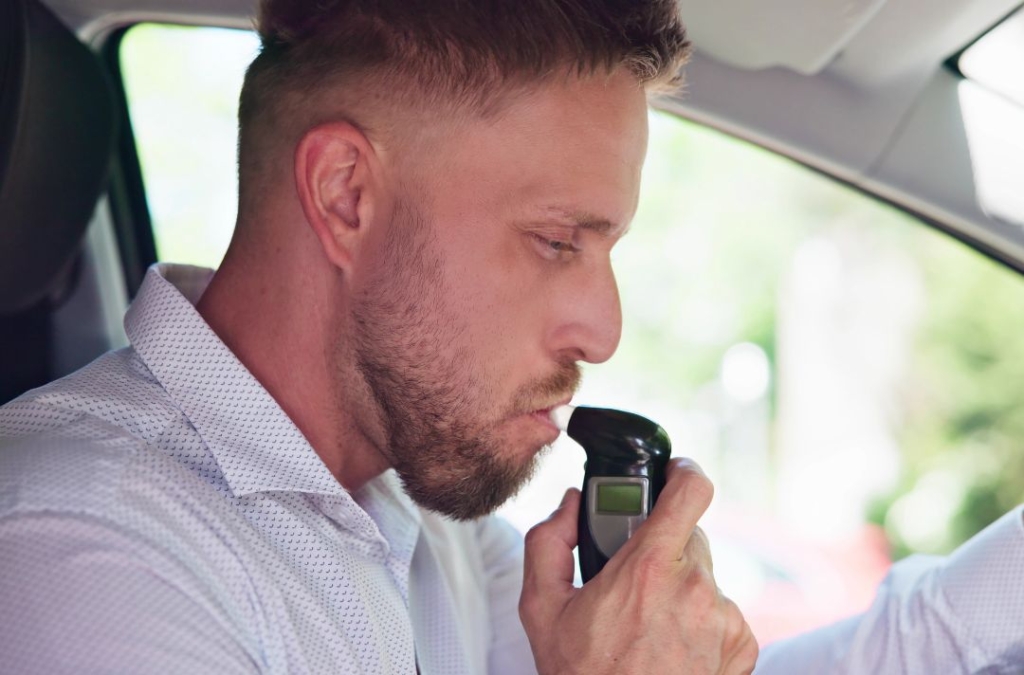
Breathalyzers measure the amount of alcohol in one’s breath to estimate their blood-alcohol concentration (BAC), but these tests may make errors.
An experienced criminal defense attorney can assist in your fight against DUI charges by challenging breath test results as unreliable. Common reasons that breath tests fail include officer failing to wait 15 minutes prior to testing, eating spicy food prior to taking a breathalyzer test, and using asthma inhalers as inhalers.
Medical Conditions
People’s bodies handle alcohol differently; genetics, weight and diet all impact how quickly alcohol enters their bloodstream. If someone consumed a spicy meal for example, their breath might indicate higher BAC than it actually is; our DUI attorneys work with experts who can explain how these factors could potentially alter a breath test’s results and help decrease or dismiss charges accordingly.
Gastroesophageal Reflux Disease (GERD), asthma and dental or respiratory conditions such as throat inflammation can all taint breath test results by pushing stomach acid into the mouth and esophagus – increasing BAC readings significantly. Diabetes also alters breathalyzer results as its condition produces ketones which some breathalyzers mistake for ethanol.
Additional things that could impact a breath test include chemical traces on the device that could alter measurements and alcohol from previous users of the breathalyzer. Our attorneys can challenge these environmental factors in court and help get your DUI charge reduced or dismissed; having the right lawyer on your side could make all of the difference for your case.
Tampered Breathalyzers
Breath tests can present numerous complications that can skew their results, leading to false convictions of DUI charges if one fails. Although many assume failing a breath test automatically makes you guilty, there may still be ways of challenging the results and providing defense strategies against any unfair convictions.
An officer may not have followed proper protocols when administering the test. Numerous things can give rise to false positive results in terms of mouth alcohol levels; these can include using mouthwash or cough syrup, having acid reflux medical condition and chewing gum as well as certain medicines like Nyquil, Vicks Formula 44 and some toothache drops. Diabetes may also impact results as its disease causes ketones to be produced in the body which some breathalyzers mistake for alcohol levels.
Another issue can be an abnormal breath temperature. This may result from elevated body temperatures caused by fever, sitting in the back of a patrol car for 20 minutes or longer, hot baths/sauna, dehydration or medical conditions like menstrual cycles; it can also occur if sweating profusely, vomiting or belching (even silent belches or regurgitations), or having dental work that creates “pockets” in your mouth which create high test results.
At its core, having an attorney present can raise doubts about the accuracy of breath test results; under certain conditions, this could even lead to your case being dropped altogether.
Incorrect Usage
If you have ever been pulled over for driving under the influence and given a breath test, you may know that this test isn’t always accurate. While Breathalyzers may seem popular and widely-used, their accuracy can often vary for various reasons – understanding these can help build a solid defense against unjust DUI charges.
As mentioned above, certain medical conditions can skew breathalyzer tests. Acid reflux (GERD) can cause alcohol from the stomach to come back up into the mouth, artificially increasing one’s BAC reading. Other illnesses, like diabetes, produce ketones which a Breathalyzer may mistake for alcohol; and certain foods – like spicy or greasy food – may cause burping which alters results as well.
Finally, even if you aren’t drinking, using mouthwash or breath spray containing alcohol and smoking can interfere with test results. Furthermore, breathalyzers may also be affected by fumes released from paints, varnishes, cleaning products and other chemicals used in production processes.
Law enforcement officers must follow stringent protocols in order to ensure that a Breathalyzer works accurately, or else their training and experience may result in errors that taint its accuracy. They should observe drivers for 15 minutes prior to conducting tests in order to detect anything which might compromise results, like drinking anything prior to giving tests.