

296Views
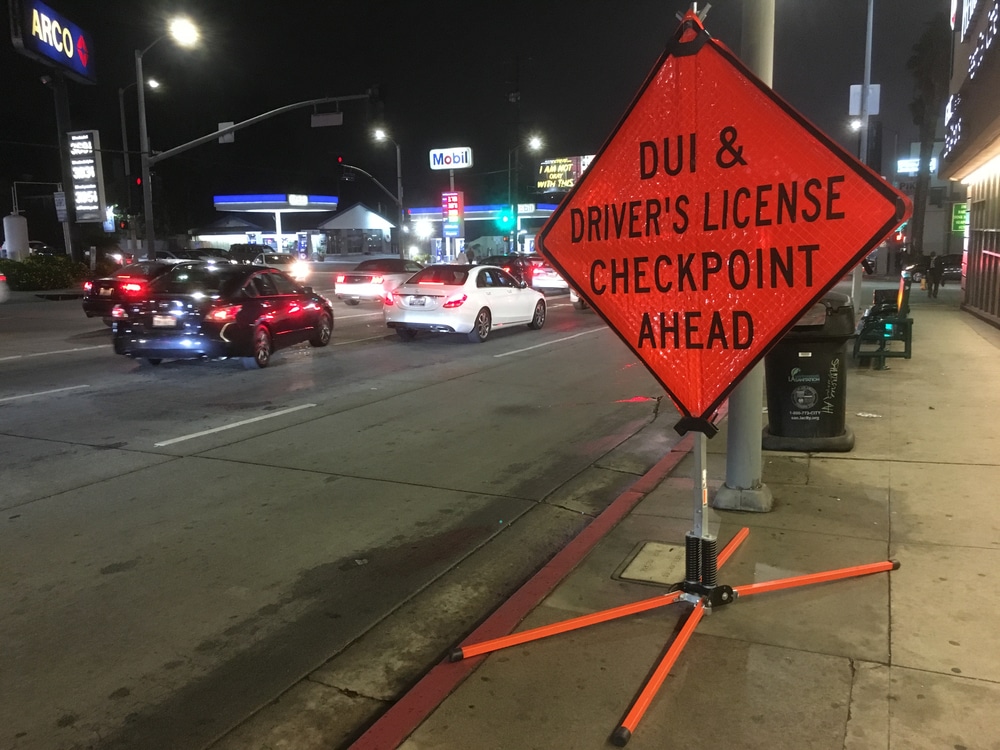
Sobriety Checkpoints in Georgia: What You Can Do If You Approach a Roadblock.
On holiday weekends, you’ll find that the roads in Georgia are likely to feature a police roadblock. When the lights of emergency vehicles flash and the line of vehicles come to a stop, for many drivers, it is an automatic reaction to panic, even if they have not had a drop of booze. Sobriety checkpoints are legal in the state, but must be conducted in accordance with the law and the Constitution, which are intended to insure motorists against unreasonable searches and seizures. The best way to defend yourself against an illegal arrest or unnecessary legal issues is to know what your legal rights are before you pull up to an officer’s window.
Important to note: When approaching a checkpoint, it is vital to know what law enforcement officers are permitted by the law. They can put your vehicle on a temporary hold and request your driver’s license, vehicle registration and proof of insurance. In this short exchange, the officer is looking for any evidence of impairment – alcohol, slurred speech or bloodshot eyes, for example. The law requires that you give identification papers but your duty to talk stops there. The right to remain silent is a constitutional right. No need to be questioned by probing about where you’re from, where you’re going, or if you had anything to drink that night. It is perfectly acceptable to refuse to answer these types of questions and it will help you avoid giving officers subjective reasons to keep you in suspicion of committing a crime.
If the officer suspects that you are impaired, he or she will probably ask you to exit from the line and conduct standard field sobriety tests, including the following test: Walk a straight line or follow a pen with your eyes. Many of the physical evaluations that officers leave out of their side of the road explanation are completely voluntary in Georgia. You can certainly say no to them. Such tests are entirely subjective and are intended for the purpose of establishing probable cause for arrest and not your innocence. Also, you don’t have to take a portable roadside breath test. If you’re under official arrest for DWI, though, Georgia’s implied consent law takes effect, and refusing to submit to the official state-administered chemical test at the police station will result in an automatic administrative suspension of your driving privileges.
However, the legality of a checkpoint depends on strict rules of operation and resisting an arrest at a roadblock requires a high level of legal expertise. Police departments need to be supervised, have a valid statistical reason for the site, and have a legitimate system in place to prevent cars from being profiled. An expert Atlanta DUI Lawyer can file a motion to suppress evidence if any of these procedural rules are violated, and the case is frequently dropped. Don’t think that just because someone was arrested at a roadblock that he will be convicted. With the help of an experienced DUI Attorney Atlanta relies upon, you can exhaustively assess the constitutionality of the checkpoint and tackle your rights in court.

1 Comment
Comments are closed.