420Views
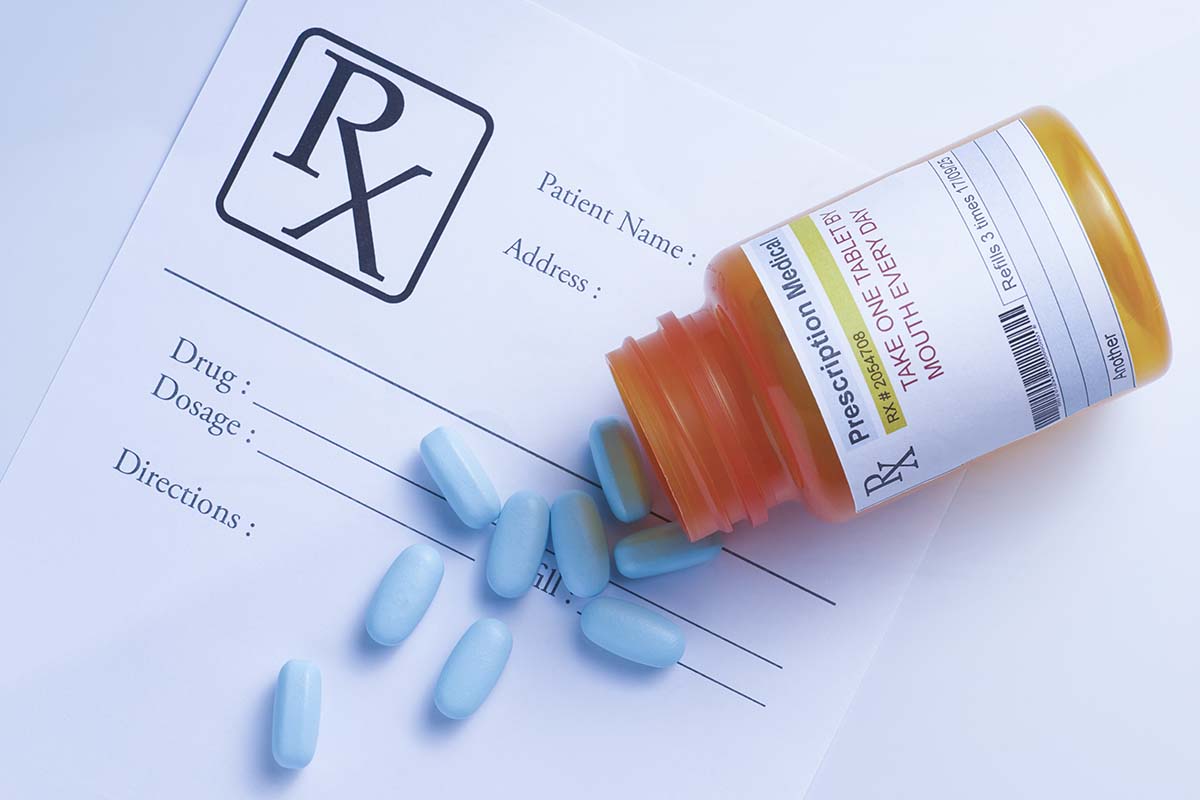
Handling DUI cases involving prescription drug interactions and medical defenses requires legal knowledge and insight. The first step should be collecting documentation of the medication in question and any possible side effects it might cause.
One approach involves scrutinizing the accuracy and administration of impairment tests. Such exams must comply with stringent protocols and chains of custody to guarantee their precision.
Medical Expert Testimony
Medication may affect both your judgment and motor skills, so it’s essential that you gain an understanding of its effects before driving. A skilled DUI defense attorney can assist in contesting assumptions of impairment by gathering medical evidence supporting you.
Expert witnesses may include physicians (within certain fields), nurses, pharmacists and other healthcare professionals to provide insights on medical conditions, treatments and standards of care.
One of the primary tasks of a medical expert is translating complex medical information into language that is easily understandable by judges and juries, without losing its context or accuracy. Furthermore, they often develop visual aids to illustrate their opinions for court use – this allows judges and juries to better comprehend medical evidence in cases and make more informed legal decisions due to this tool’s ease of use. Ultimately this increases credibility for their testimony while aiding more informed legal decision-making processes.
Challenge the Officer’s Observations
A prescription drug DUI case demands challenging the officer’s observations and conclusions – this includes their assessment of your behavior, appearance and performance on field sobriety tests. As these assessments can be subjective in nature and officers could potentially fall prey to confirmation bias – the tendency of taking new evidence as supporting existing beliefs or theories – these subjective assessments need to be challenged at every opportunity.
Field sobriety tests rely on subjective assessments, making their outcomes particularly suspect. By providing expert witness testimony from toxicologists or pharmacologists on how certain drugs affect human bodies, you can challenge an officer’s claims of impairment and highlight inconsistencies between his initial report and subsequent court testimony from that officer – tactics which will create reasonable doubt among jurors to help secure a positive verdict for you in your case.
Challenge the Prosecution’s Evidence
Many medications used to treat anxiety, sleep disorders and pain come with warnings on their packaging about operating heavy machinery or driving while taking these medicines. Any effects caused by these medicines such as drowsiness or slow reaction times could compromise driving safely – making you susceptible to DUI charges.
An experienced DUI defense attorney can assist in your defense by showing that the officer’s observations and evidence do not suggest impairment. Medical conditions like GERD and diabetes, for instance, may produce inaccurate BAC readings due to stomach contents or remaining alcohol from esophageal passageways.
Lawyers have an important role in fighting evidence like breathalyzer tests and field sobriety tests by showing that equipment used was improperly calibrated or maintained – this can affect its accuracy and reliability, potentially leading to dismissal of charges against their client. A detailed examination of your case must take place with an aggressive strategy being devised.
Explore Plea Bargaining
Many DUI cases can be resolved by pleading guilty to a lesser charge, which can help lessen penalties and possibly avoid jail time altogether. When considering this option, however, it’s crucial that an experienced attorney be consulted first in order to decide if this is indeed the best course of action.
Your legal representation can explain to the authorities that any impairment was directly due to taking prescribed medication and not alcohol, thereby making a strong argument in cases in which law enforcement officers and prosecutors assume medications with side effects can cause dangerous impairment when mixed with alcohol.
Plea bargains offer additional advantages over trials; such as helping avoid the stigma associated with conviction and saving time and money by circumventing costly litigation processes that often take many months to resolve, require extensive research, court hearings and more. An experienced DUI lawyer can explore possible plea bargaining avenues in your case for faster resolution.