432Views
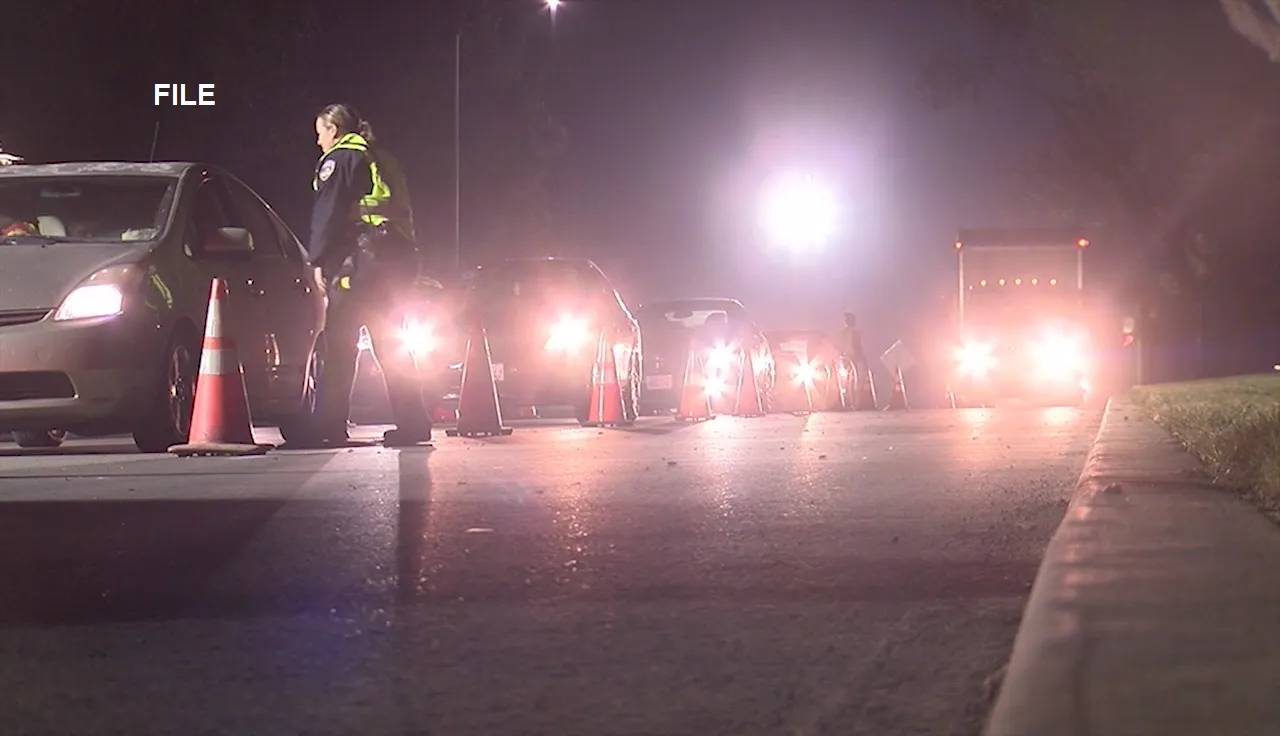
The Downtown Connector is one of the highest-trafficked stretches of interstate in the country, carrying more than 437,000 vehicles per day at peak volume.
This corridor is frequently subject to DUI enforcement, especially near bars and other entertainment venues. To stay out of trouble on the Downtown Connector, designate a sober driver or use ridesharing services – either way will help prevent possible DUI offenses from taking place.
New Brunswick
Stay sober while traveling to holiday parties or Rutgers games to avoid DUI. Drinking and driving is dangerous, so opt for mass transit or taxi as means to reach your destination. If you do end up behind the wheel, don’t hesitate to contact police; their sobriety checks may help prevent accidents from happening and save lives.
New Brunswick’s Motor Vehicle Act now authorizes officers to issue immediate roadside penalties against impaired drivers, such as license suspension for seven days and vehicle impoundment; an immediate drug prohibition if drugs are detected in their system; similar measures have also been adopted by other provinces such as Manitoba, Alberta and British Columbia.
Unfortunately, the police department’s decision to host a DUI checkpoint on the Downtown Connector was both misguided and inconsiderate of those it would inconvenience. At The Law Offices of Jonathan F. Marshall, our experienced legal team can expose flaws or errors in evidence presented by prosecutors so as to build a solid defense strategy in your favor.
Bergen County
Jersey City and Hoboken, located just across the Hudson River from Manhattan, often feature police checkpoints to deter impaired drivers from getting behind the wheel. Both urban areas boast vibrant nightlife scenes with heavy traffic flow – often making them prime locations for DUI enforcement efforts.
An arrest for DUI in New Jersey can have severe repercussions, including fines, license suspension, community service obligations, and jail time. Furthermore, it could impact job searches, citizenship applications and disqualifying you from operating commercial vehicles. It’s also important to keep in mind that DUI can result from drug consumption as well.
If you are accused of DUI in Bergen County, an experienced DWI lawyer from The Law Offices of James Yeargan can assist with protecting both your rights and reputation. Contact one of their experienced criminal defense lawyers now for a free, confidential consultation, where we will review all aspects of your case while answering all your queries.
New York City
New York City conducts DUI checkpoints throughout the year in an effort to curb alcohol-related accidents and fatalities. Police officers need a legitimate reason for pulling someone over on suspicion of DUI; such as witnessing traffic violations, driving erratically or seeing visibly intoxicated patrons leave establishments serving alcohol before getting into their vehicles.
Police use DUI checkpoints to enforce state drunk driving laws and empower counties to coordinate local efforts related to law enforcement, prosecution, probation rehabilitation public information education program administration by using fines paid by drunk drivers instead of tax dollars for program administration and program oversight. The Governor’s Traffic Safety Committee oversees this effort which is funded through fines paid by convicted drunk drivers instead of taxes paid as funding source.
Getting pulled over at a checkpoint typically results in a quick stop and brief interaction with law enforcement officers. They may ask some questions and if they suspect you of being impaired they may request field sobriety tests – under implied consent law, you are legally obliged to comply.
Atlanta
The Downtown Connector runs directly through Atlanta and divides neighborhoods while creating traffic jams and creating serious congestion issues.
Aggressive driving is common on this highway, particularly during rush hour or areas with many bars or nightlife spots. Drinking and driving can exacerbate these issues as alcohol impairs reaction times and judgement.
Multiple groups in Atlanta are pushing two freeway cap proposals to address this problem, with “The Stitch” covering part of Interstate 75/85 Downtown Connector to mitigate impacts on surrounding neighborhoods such as Mechanicsville. It would also connect Georgia Tech with major companies such as NCR and Norfolk Southern while creating connections between NCR and Norfolk Southern with Georgia Tech and Georgia Tech alumni living outside downtown areas such as Mechanicsville. It has received support from many organizations and business associations in downtown Atlanta. Meanwhile, another proposal known as Midtown cap is in planning stage and would cover northern section of Downtown Connector which contains its notorious Grady Curve named due to highway’s curvature around Atlanta’s only major trauma center.